 ENG
 Español
 ENG
 CAT

What to eat in the Pallars: flavours, local products and mountain traditions
In brief:
- Must-try dish: girella, one of the most representative products of the Pallars and one of the few traditional cured products made from lamb.
- Mountain cuisine: vianda, palpís, meats, cured meats, mushrooms, cheeses and recipes historically designed around the ingredients available in each season.
- Local products: xolís, secallona, tupí, brossat, honey, oil, jams, wine and ratafía.
- What to drink: high-altitude wines, Ratafia dels Raiers and craft beer brewed in La Pobla de Segur.
- Where to try it: La Pobla de Segur offers very different options, from contemporary Pallars cuisine to burgers, tapas and craft beer.
- The key idea: in the Pallars, zero-kilometre food did not begin as a gastronomic trend; for generations, it was simply the normal way to cook.
Mountain cuisine rooted in the land
Understanding what to eat in the Pallars first means understanding the landscape.
For generations, the cuisine of these regions developed around what the mountains, livestock, vegetable gardens and each season could provide.
Lamb, pork, beef, cheeses, potatoes, cabbage, pulses, mushrooms, fruit, honey and mountain herbs all formed part of a pantry much more closely shaped by the land than it is today.
The historical isolation of some valleys also helped preserve local recipes and products. Traditional Pallars cuisine remains closely linked to livestock farming and simple seasonal ingredients.
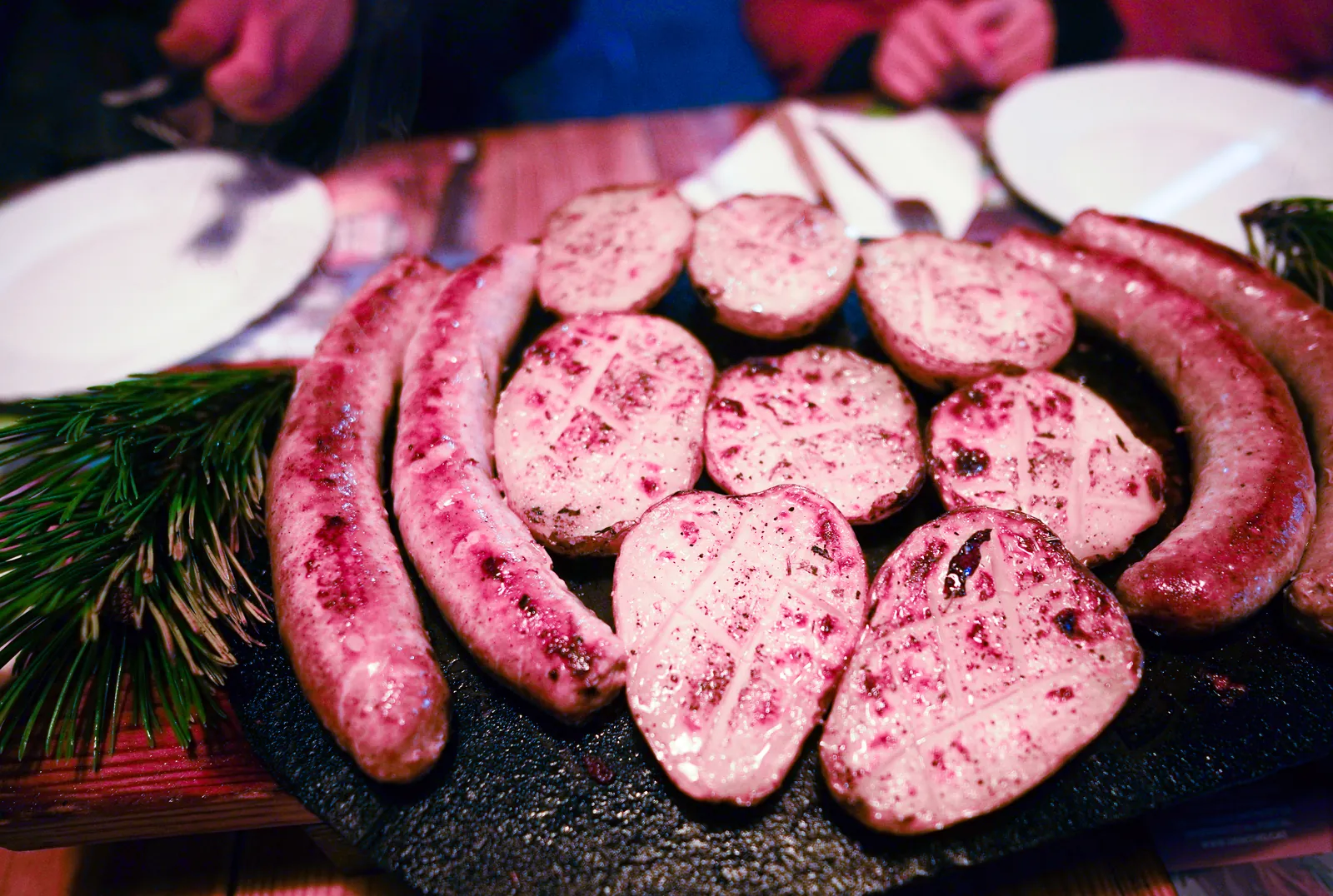
Traditional Pallars cured meats grilled on a hot plate
That is why local produce and zero-kilometre food have a special meaning here.
It is not a trend recently invented by restaurants.
For a long time, it was simply the only logical way to cook: eating what was raised, grown, gathered or produced close to home.
Today that tradition continues, although in a different way. Old recipes, butchers and small producers coexist with chefs reinterpreting Pallars cuisine, mountain wineries and newer projects such as craft breweries.
Traditional dishes you should try in the Pallars
There is no single Pallars cuisine. Pallars Jussà and Pallars Sobirà share many products and traditions, but each valley, village and even family may preserve its own variations.
Even so, a few names appear again and again.
Girella: one of the great gastronomic symbols of the Pallars
If you had to try just one product to begin understanding Pallars cuisine, it would probably be girella.
It is a traditional lamb-based preparation combining rice with parts of the animal historically used in home cooking.
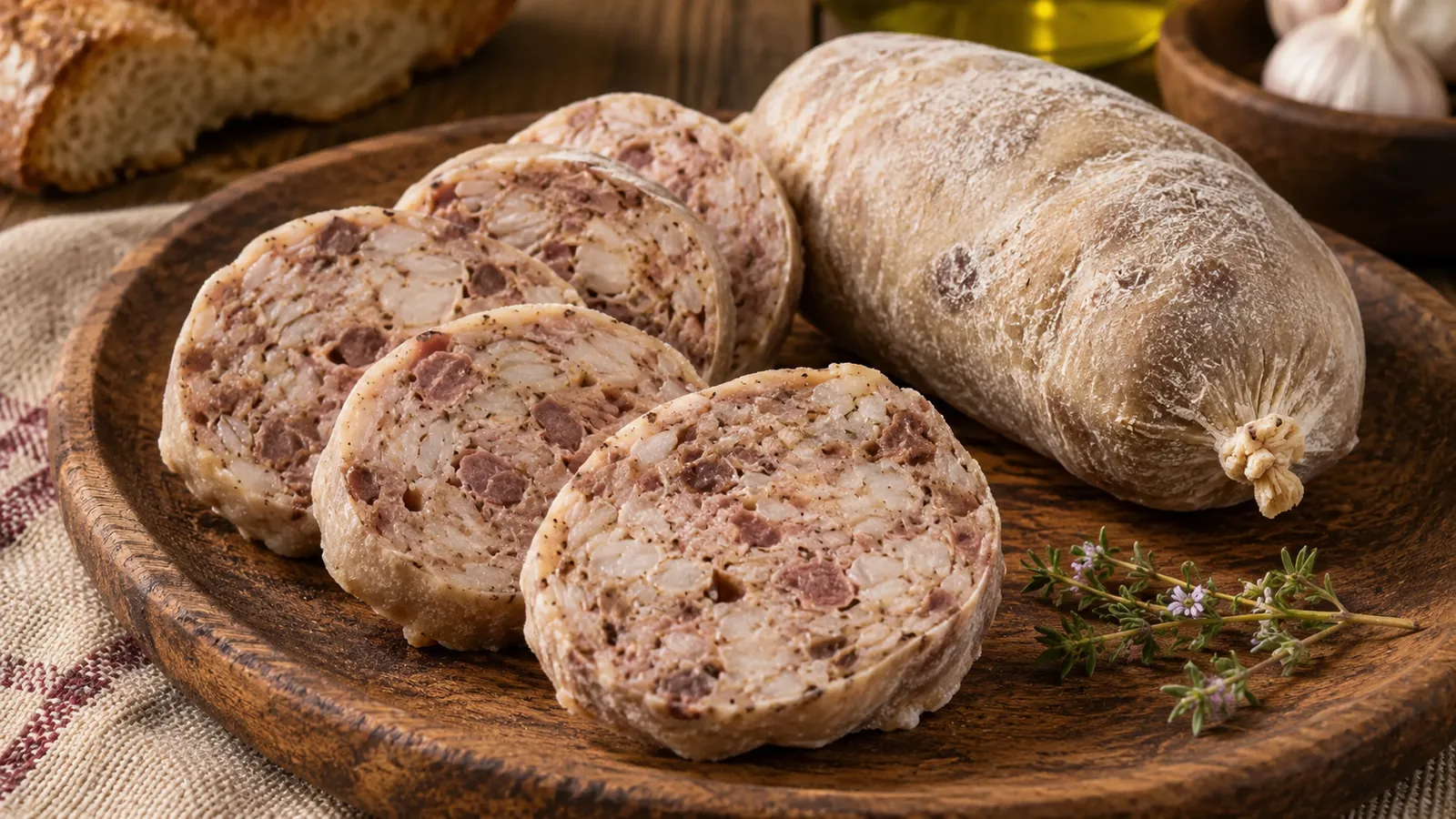
Traditional Pallars girella made with lamb and rice, served in slices
Its preparation may include lamb stomach, offal, bacon, egg, rice, breadcrumbs, garlic, parsley and spices.
It is not a recipe created for tourism: it has more than 500 years of tradition and perfectly reflects a cuisine in which practically nothing from the animal was wasted.
Today it can be found both in butcher shops and restaurants, prepared traditionally or reinterpreted.
Vianda: the Pallars version of escudella
Few dishes explain a mountain winter better.
Vianda is a hearty escudella that can traditionally include chicken, pork, botifarra, bacon, cabbage, potatoes, beans, pasta and even pear.
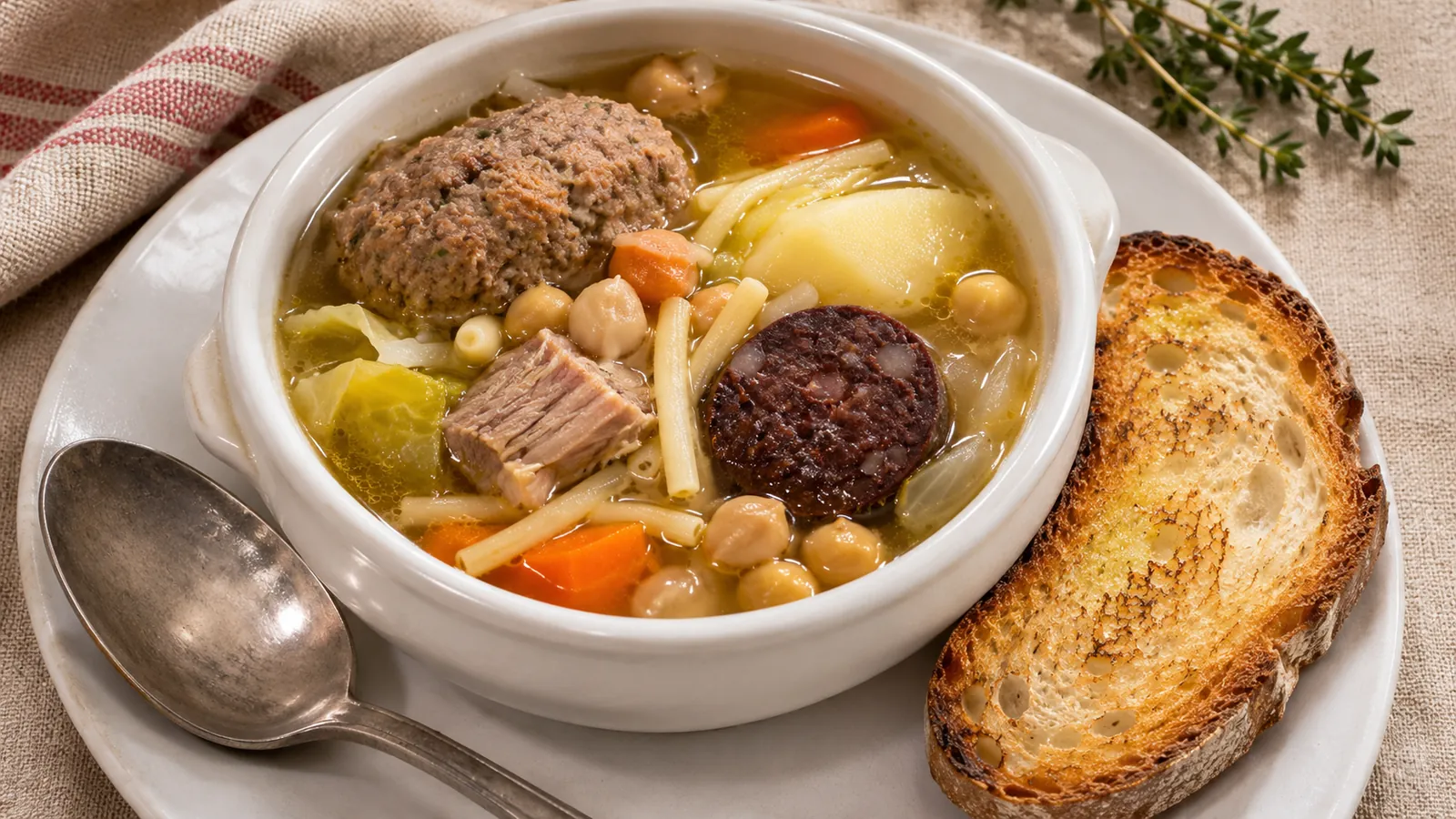
Traditional Pallars vianda or escudella with meat, potato, chickpeas, vegetables and cured meat
It is food for cold weather, for home and for making the most of what is available.
It is also linked to popular celebrations and today gives its name to the gastronomic festival held in La Pobla de Segur.
Palpís: slow-cooked lamb
Lamb appears again in another characteristic dish: palpís.
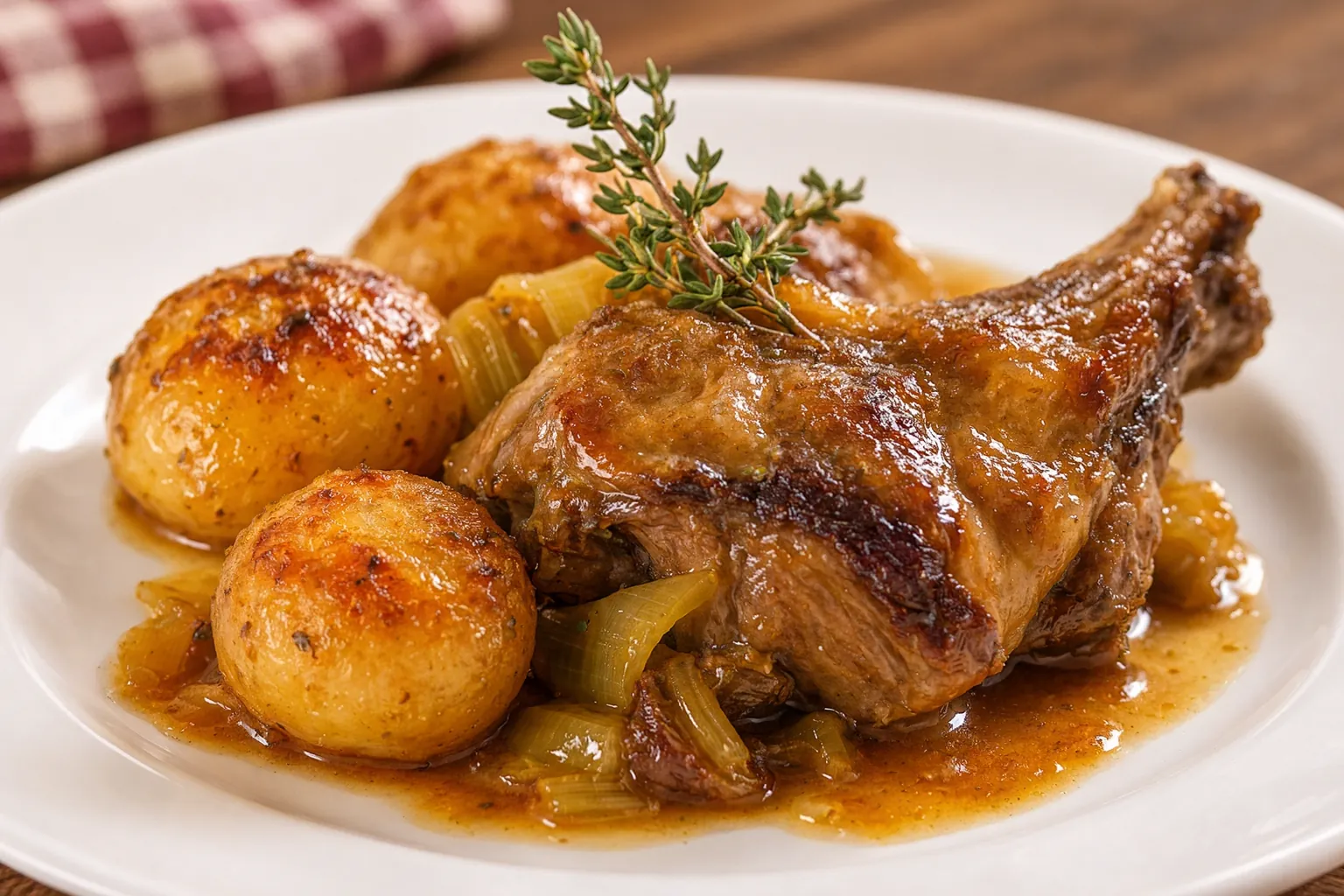
Traditional Pallars lamb palpís with potatoes, sauce and thyme
It is traditionally prepared with leg of lamb, bacon, onion, leek and carrot.
Unlike other recipes where the leg is roasted in the oven, palpís is cooked in a casserole, allowing the meat and vegetables to form an intense stew closely associated with Pallars home cooking.
Allioli de codony
Allioli de codony is one of those flavours that can surprise anyone trying it for the first time.
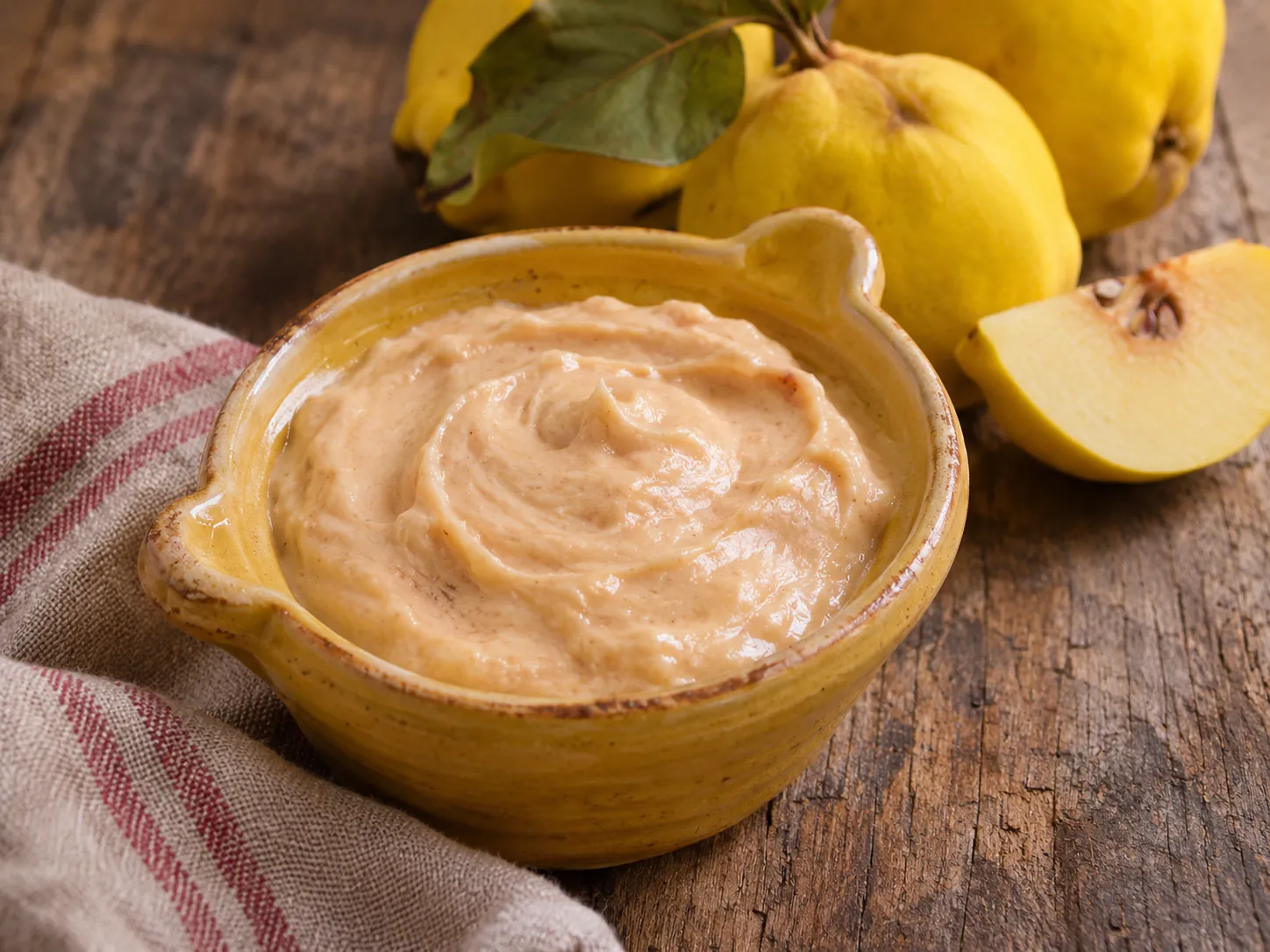
Traditional Pallars allioli de codony made with quince and garlic
Quince is combined with garlic to produce a thick sauce that can accompany bread, meat and other dishes.
It is a typical mountain recipe and another good example of how traditional cooking made use of autumn produce.
Arròs amb carreretes
Carreretes, known elsewhere as moixernons, are part of seasonal cuisine.
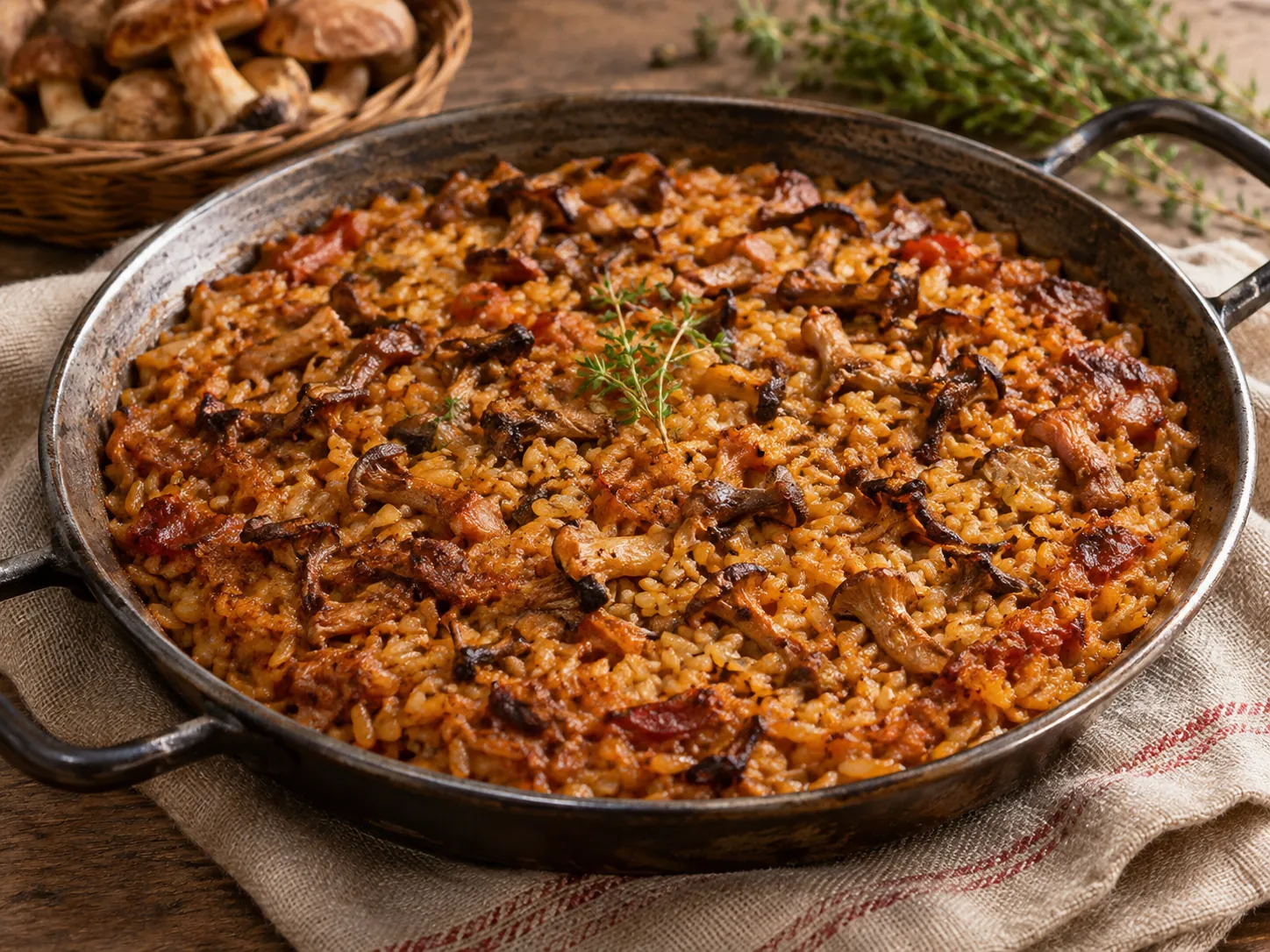
Traditional Pallars rice with wild mushrooms
In the Pallars they appear in a traditional rice dish that may also include beans, confit meat, onion and oil.
It is a simple dish, but it explains very well the historical relationship between home cooking and everything that could be gathered locally.
Mushrooms: the flavour of autumn
The forests of the Pallars give mushrooms an important role in local cuisine.
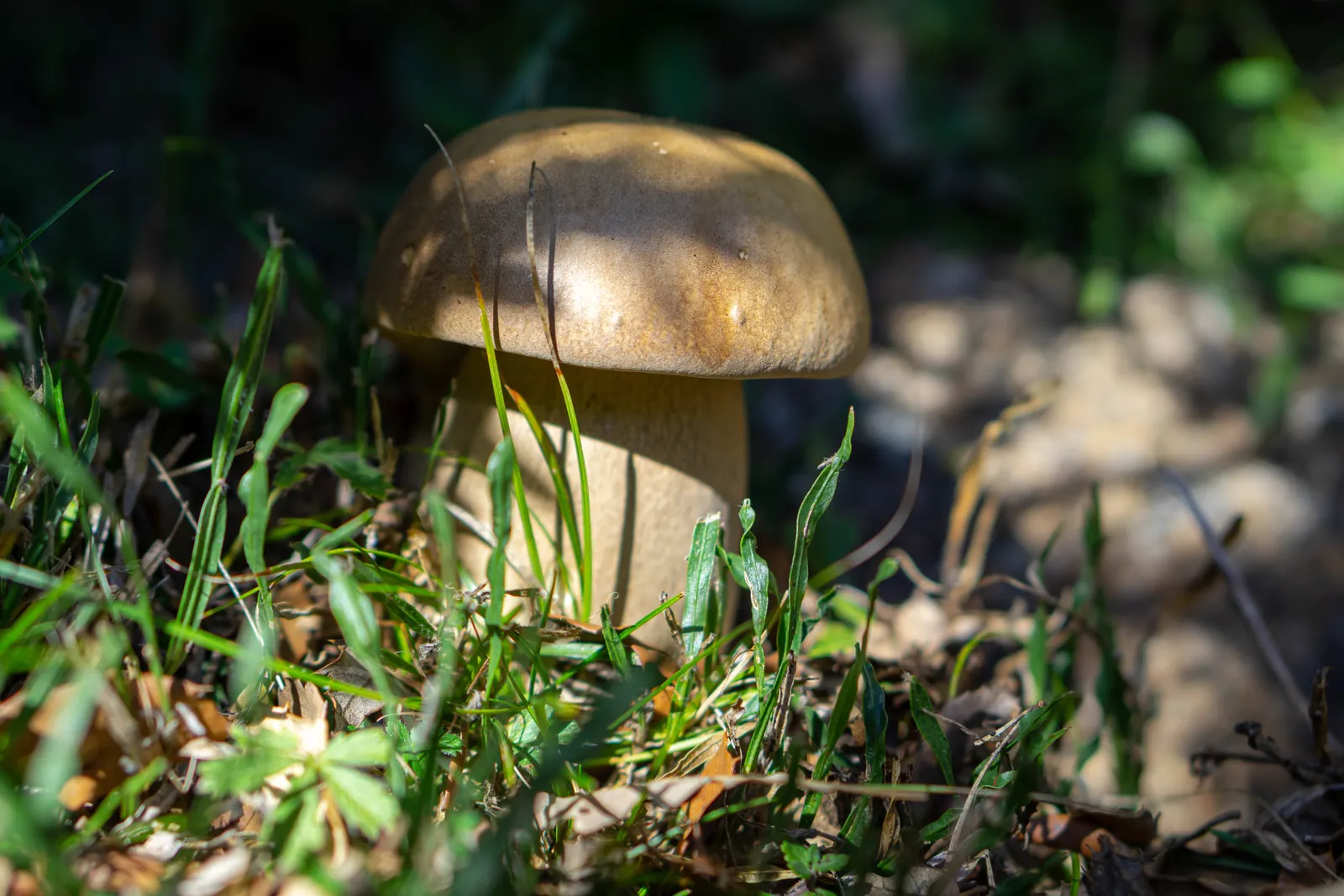
Wild mushroom in a Pallars forest, one of the seasonal products of local cuisine
In autumn they appear in rice dishes, stews, meats, sauces and seasonal menus.
Their importance goes beyond restaurants: the region also hosts gastronomic and mycological events linked to this product.
Work up an appetite in the mountains first
A route through the Pallars lets you discover the landscape that produces many of these ingredients. Explore our hiking routes in the Pyrenees and finish the day by trying the local cuisine.
Cured meats, cheeses and products from the Pallars
An important part of Pallars gastronomy does not arrive at the table as a large dish.
You buy it from a butcher, cheesemaker, fair or directly from the producer.
Xolís, secallona and other cured meats
The traditional pig slaughter has left behind a huge variety of products.
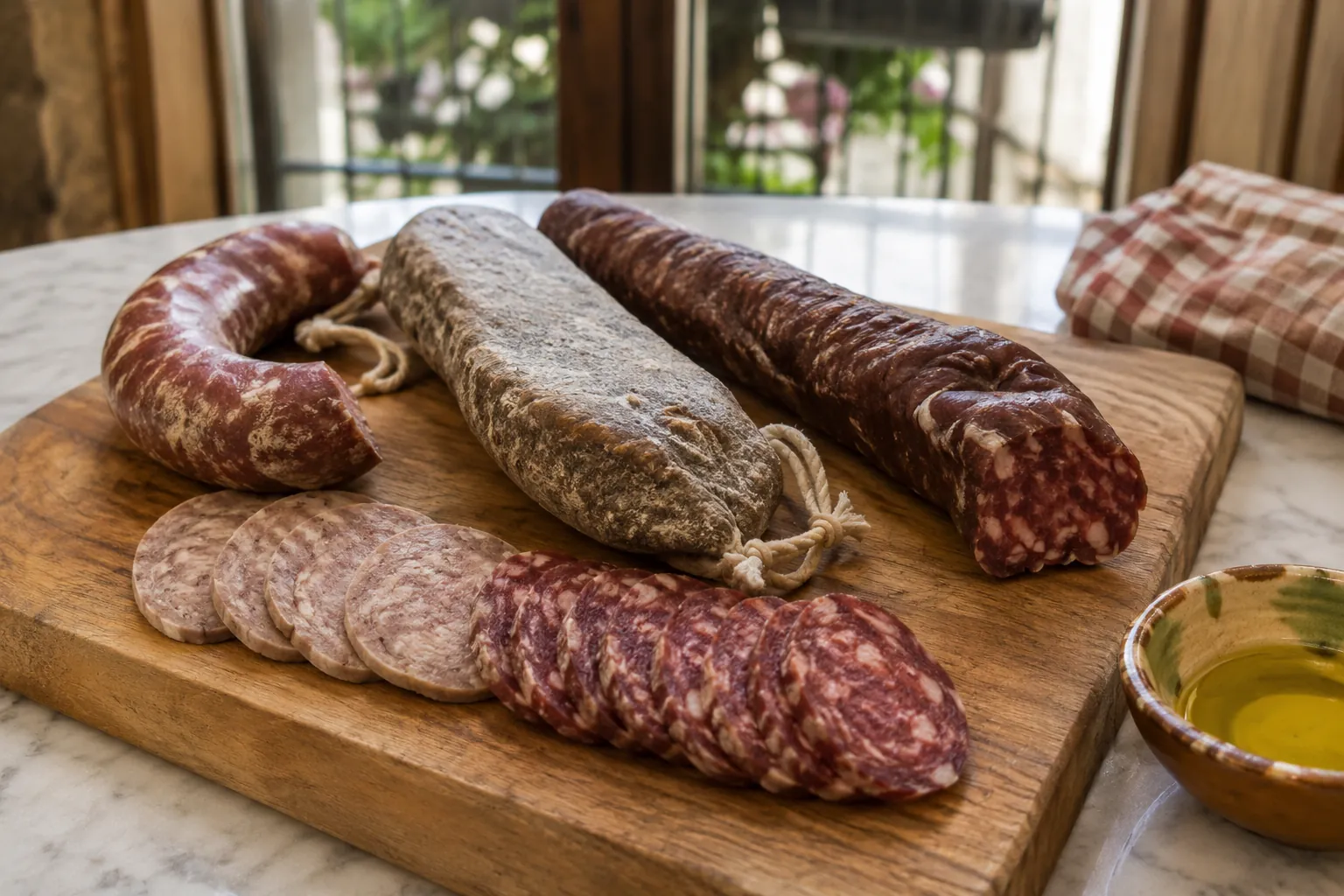
Artisan Pallars cured meats including xolís, secallona and other traditional products
Among the most representative products are:
- xolís;
- secallona;
- paltruc;
- blood sausages and botifarres;
- gossets;
- botifarra traïdora;
- other preparations specific to each producer.
Xolís and secallona are particularly easy to take home and allow the gastronomic experience to continue after the trip.
Tupí: a cheese with character
Among the traditional cheeses, tupí stands out.
It is a cheese with an intense flavour and aroma, traditionally associated with fermentation and the use of spirits.
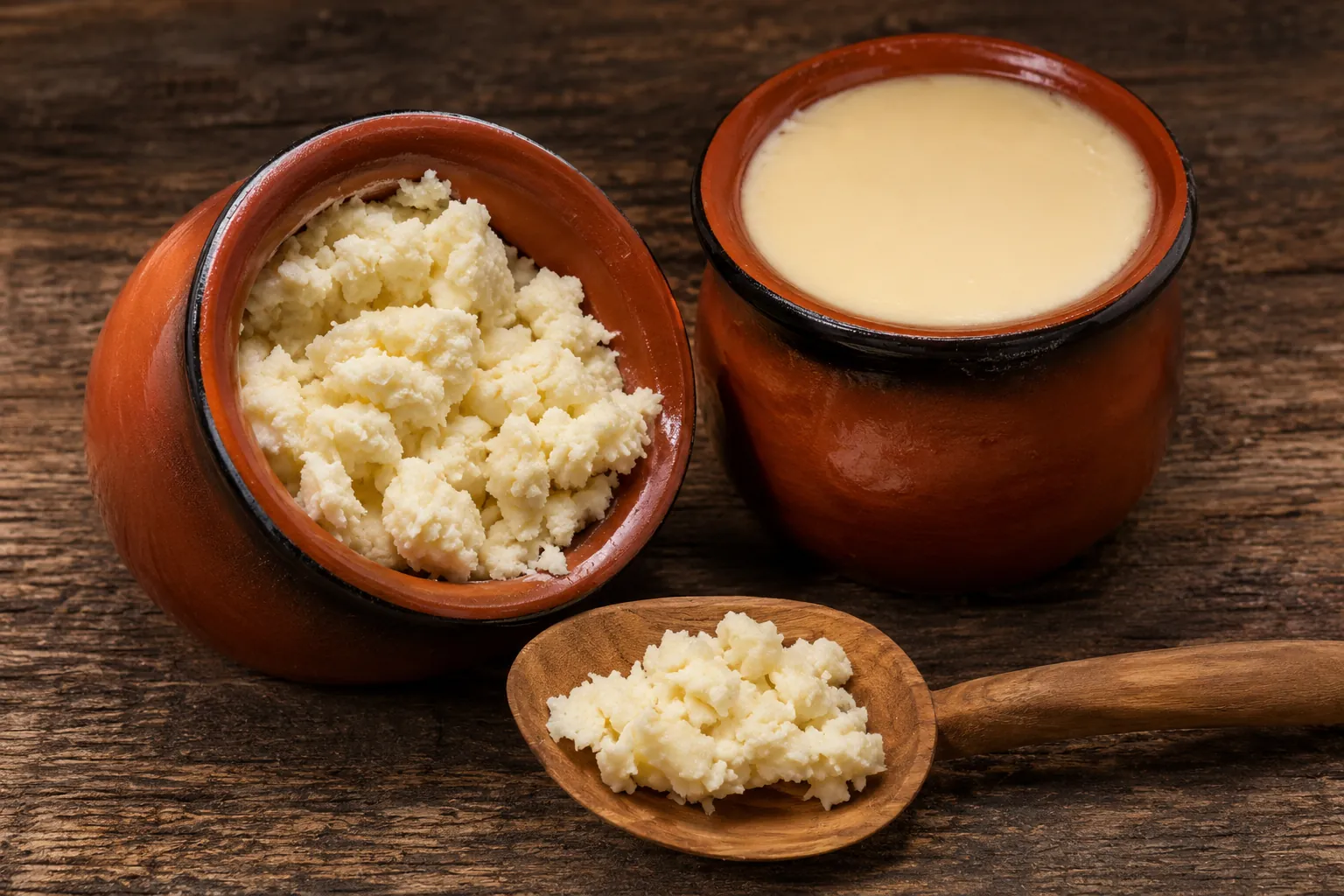
Traditional Pallars tupí served in earthenware bowls
It is definitely not a neutral cheese: it is one of those products that tends to divide first-time tasters between those who need time to get used to it and those who immediately want another spoonful.
There are also other cow’s, goat’s and sheep’s cheeses, including varieties such as serrat, llenguat and brossat.
Brossat with honey
Brossat represents the opposite extreme.
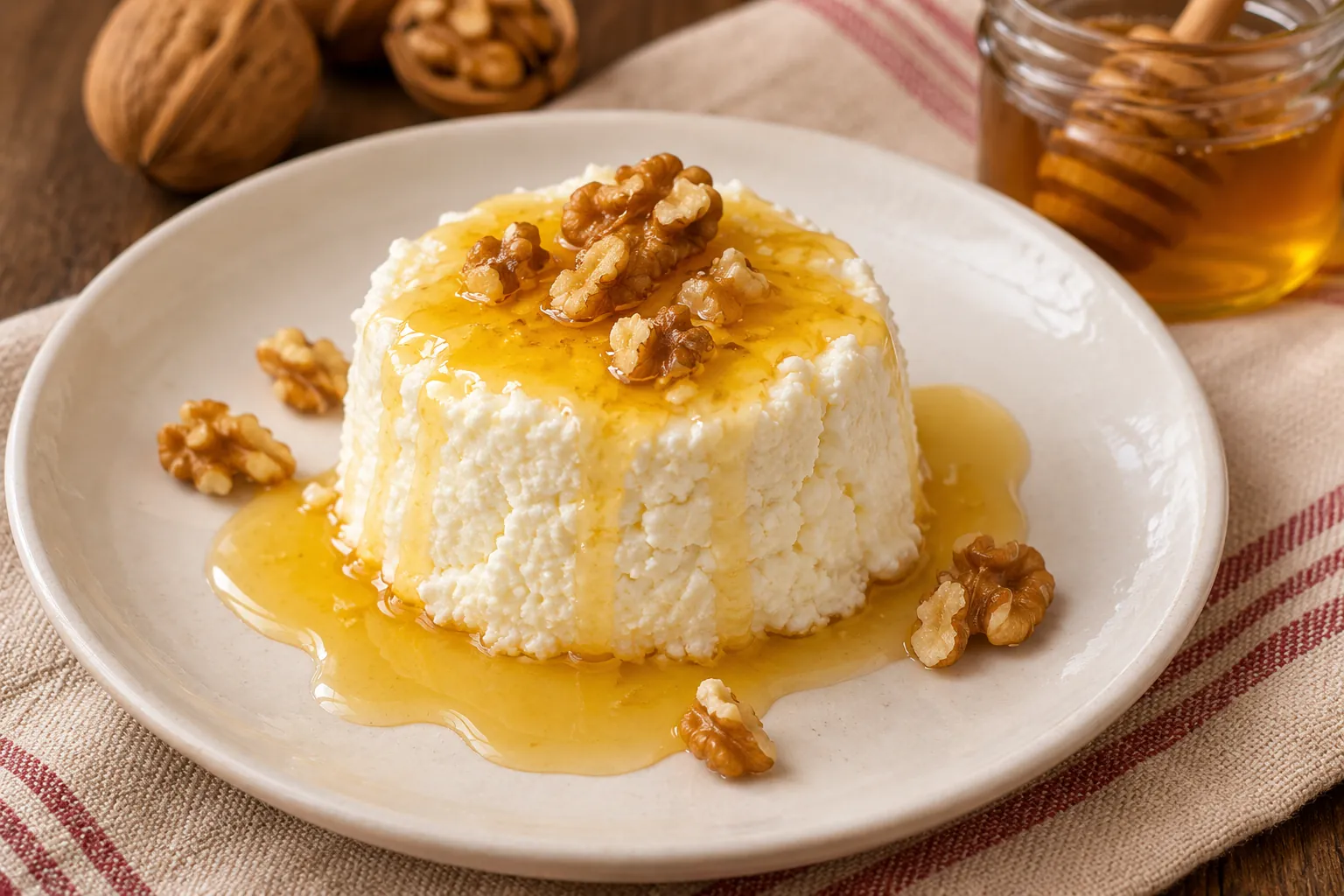
Traditional Pallars brossat served with honey and walnuts
It is fresh and mild, and one of the simplest ways to enjoy it is with honey.
Beekeeping has an important presence in Pallars Jussà, where honeys are produced from different flowers and mountain environments.
Mostillo and traditional sweets
Among the sweeter flavours is mostillo, historically linked to the grape harvest and made with grape must, flour and nuts.
There are also cocas and a pastry tradition that today coexists with artisan workshops incorporating local products.
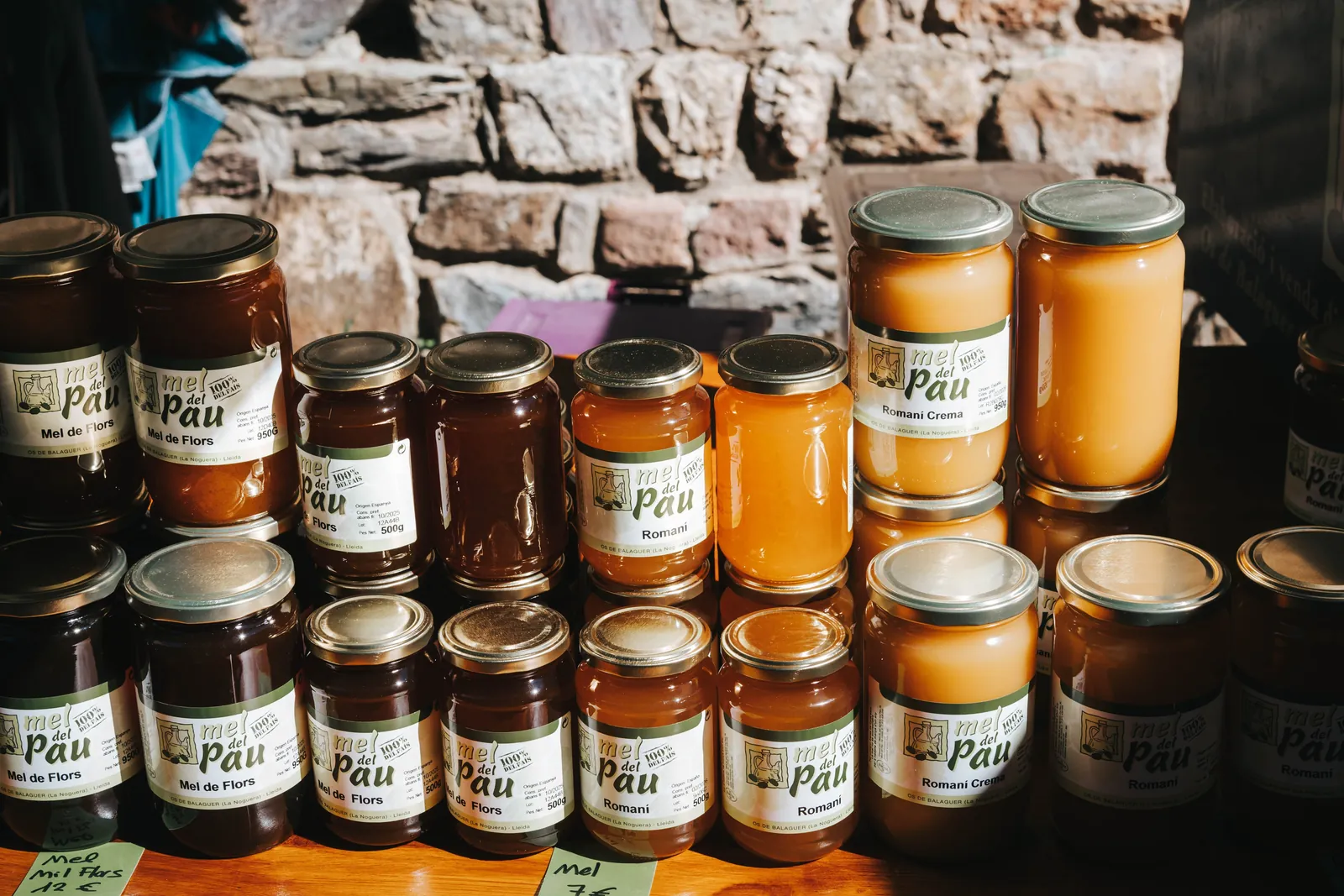
Jars of artisan Pallars honey at a local produce fair
What to drink in the Pallars
Local gastronomy does not end with the food.
High-altitude wines
Pallars Jussà forms part of the DO Costers del Segre wine region.
The combination of Mediterranean climate, altitude and strong temperature differences between day and night creates particular conditions for growing grapes.
Wine is not a recent addition either: regional tourism documentation notes that viticulture was already important during the Middle Ages.
Today several wineries work in this part of the Pre-Pyrenees, offering another way to discover the territory.
Ratafia dels Raiers and mountain liqueurs
In La Pobla de Segur we find another tradition closely linked to the landscape: ratafía.
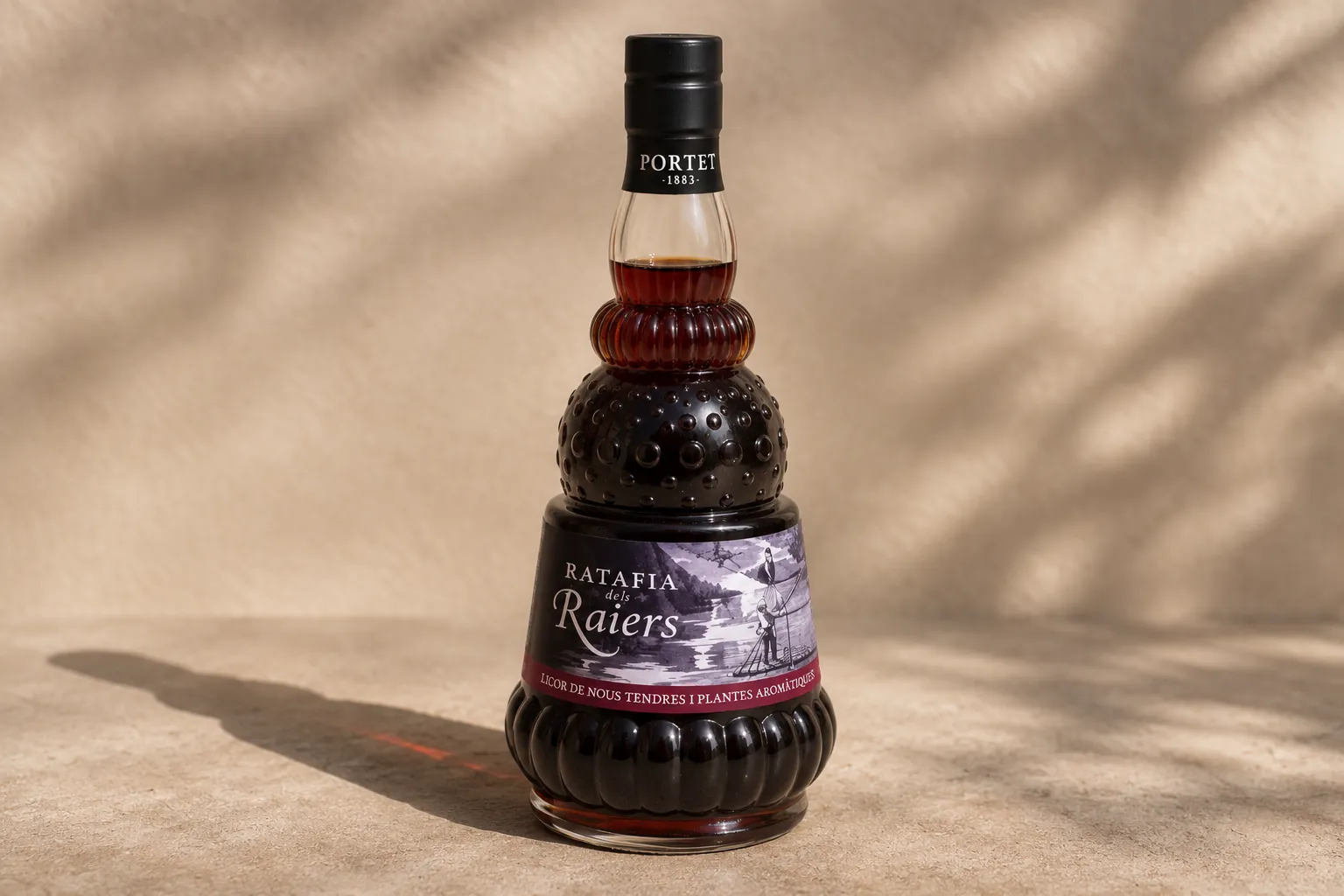
Bottle of Ratafia dels Raiers, a traditional liqueur made in La Pobla de Segur
Licors Portet maintains a long family tradition of production and makes, among other varieties, the well-known Ratafia dels Raiers, as well as quince, walnut and apple ratafías and other recipes.
It is also one of the easiest products to take home as a gastronomic souvenir.
Craft beer brewed in La Pobla de Segur
Alongside the historical products, a new generation has emerged.
One of the best examples is CTretze Pirineus, which brews its beer directly in La Pobla de Segur and connects its recipes with the Pallars territory. The brewery itself explains that it has even used hops gathered in the region.
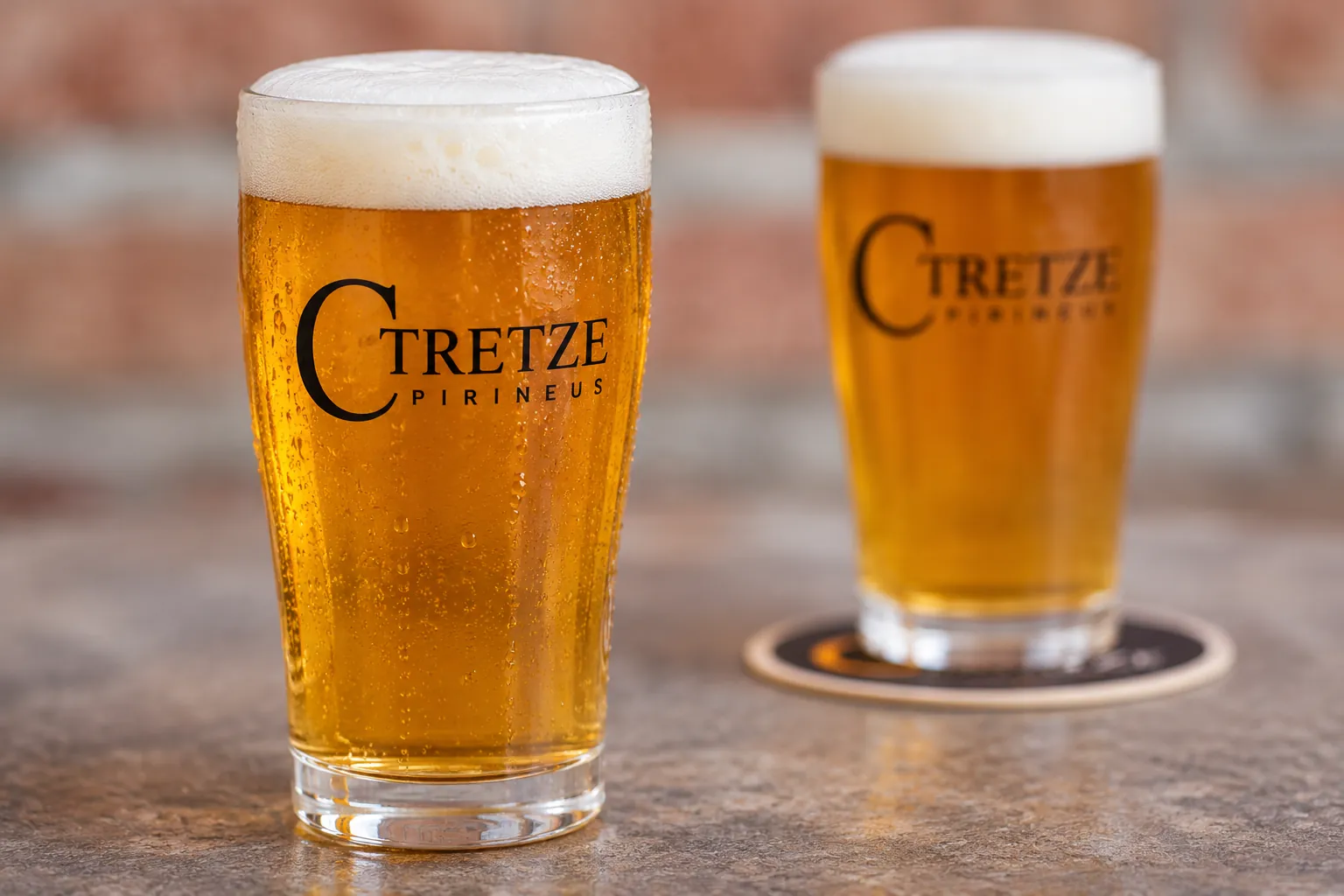
CTretze Pirineus craft beer brewed in La Pobla de Segur
We will come back to it later, because C13 is much more than a brewery.
Zero kilometre: from farm to table
There are few places where talking about zero-kilometre food makes as much sense as it does here.
The Pallars food network includes livestock farmers, shepherds, growers, butchers, charcutiers, cheesemakers, beekeepers, bakers, brewers and winegrowers.
The Vianda Festival in La Pobla de Segur presents this network precisely as an essential part of the territory’s identity and economy.
That does not mean that everything served in every restaurant necessarily comes from just a few kilometres away.
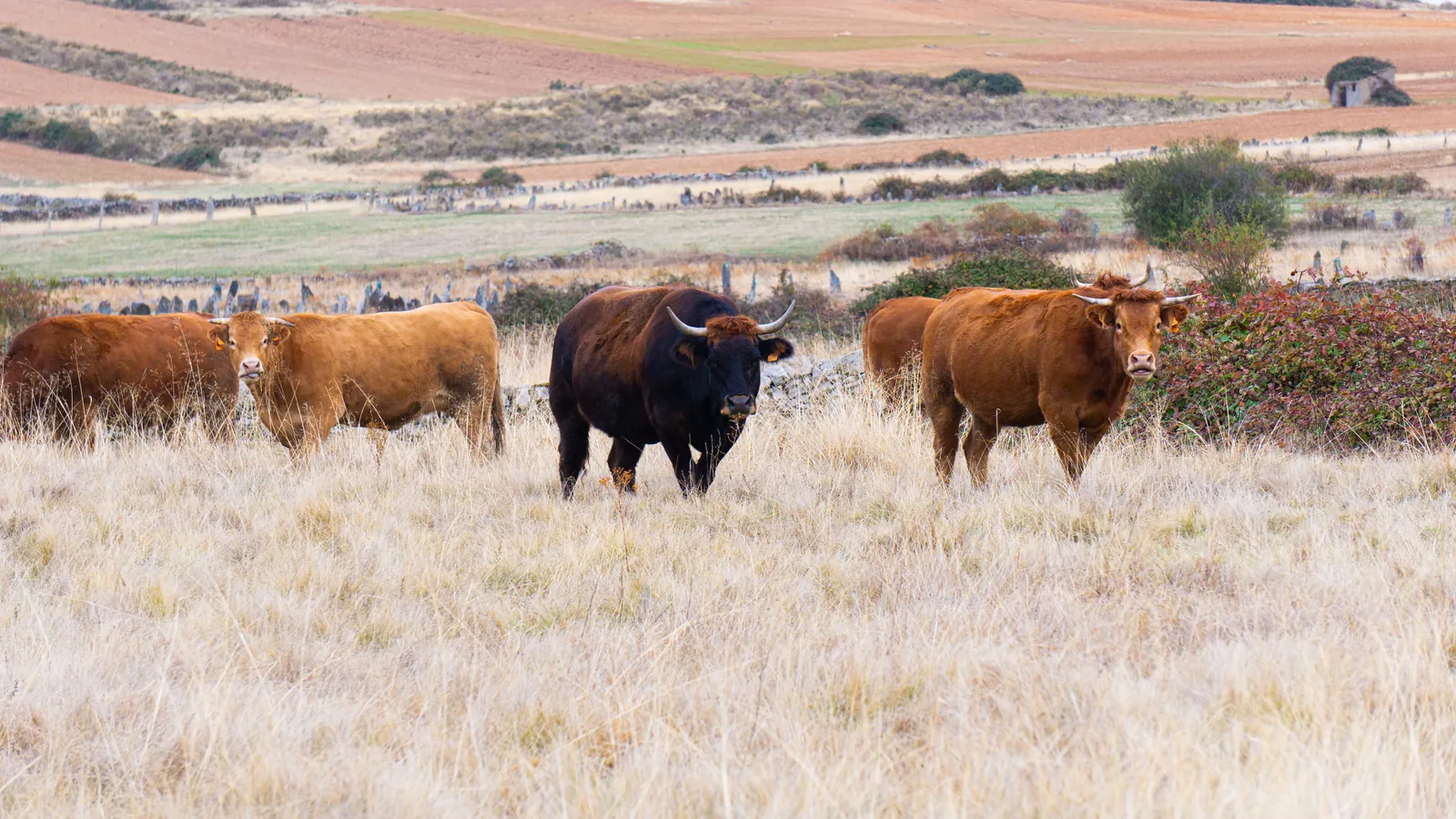
Cattle grazing in the Pallars, part of local meat production
It means something more interesting: there is a real productive base that allows many establishments to work directly with meat, cheese, vegetables, honey, beer, wine and other products linked to the Pallars.
Contemporary restaurants are also recovering this relationship.
El Raier, for example, builds its proposal around local and seasonal produce, while Miraltren openly defines its cuisine around products from the Pallars and dishes that change with the seasons.
Where to try Pallars cuisine in La Pobla de Segur
La Pobla de Segur is a particularly practical base for a gastronomic getaway.
Here you can go from contemporary Pallars cuisine to a burger made with organic produce, stop for tapas in a historic café or finish the evening with craft beer and a concert.
We have a dedicated guide with more options in our where to eat in La Pobla de Segur section.
These are some particularly interesting options.
El Raier: a new Pallars cuisine
El Raier is probably the best example of how to reinterpret tradition without turning it into a museum piece.
Clàudia Gozzi and Jaime Bes work with contemporary cuisine based on local and seasonal produce.
The Michelin Guide highlights precisely this idea of “New Pallars Cuisine” and awards the restaurant a Bib Gourmand distinction. The proposal changes frequently according to available ingredients and combines technique with clear references to the territory.
It is a good choice if you want the meal to be an important part of the day rather than simply a stop between activities.
Miraltren: market cuisine and Pallars produce
Miraltren offers something different.
Its philosophy can be summarised in three ideas: Pallars produce, seasonality and technique.
The menu changes, and its kitchen may combine Xisqueta lamb, pasta with Pallars beef cheek, grilled dishes, slow-cooked preparations, rice dishes and more international proposals.
It is a particularly convenient option after an excursion or for lunch during a day exploring La Pobla.
Cafè de la Unió: tapas and the atmosphere of a historic café
La Unió offers a very different experience.
Rather than looking for a sophisticated reinterpretation of Pallars gastronomy, it makes sense to visit for its character as a traditional café and for the atmosphere itself.
Tourism references describe it as a tapas venue with an aesthetic reminiscent of mid-20th-century cafés.
It is a good option for a more informal stop, an aperitif or sharing a few dishes without making the meal the centre of the entire day.
Tatanka Pirineus: burgers with organic and local produce
Tatanka shows that local produce does not mean eating only old recipes.
Its speciality is burgers and informal food, using organic and locally sourced meat and vegetables. It also offers vegan options and craft beer.
It can work especially well for groups of friends or after an active day in the mountains.
Looking for somewhere to eat after your activity?
See our selection of restaurants and bars in La Pobla de Segur and choose according to the type of cuisine, opening times and your plans for the day.
C13 / Ctretze Pirineus: beer, food and concerts
CTretze Pirineus deserves its own section because it does not quite fit into the category of a simple bar or restaurant.
It is at the same time a brewery, restaurant and cultural space.
The beer is brewed on the premises in La Pobla de Segur, located beside the C-13 road, which explains part of the project’s identity.
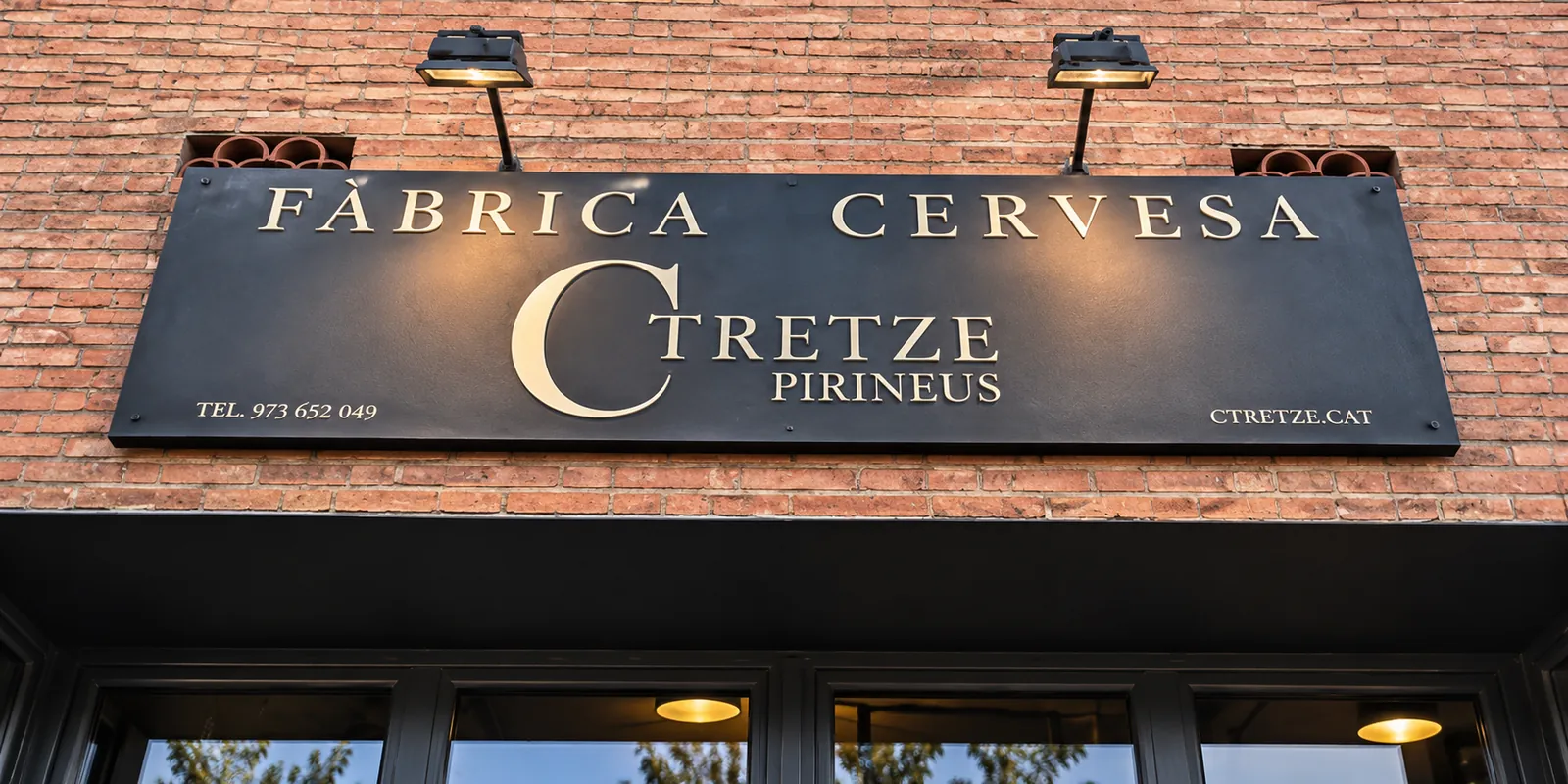
CTretze Pirineus craft brewery in La Pobla de Segur
Its philosophy aims to connect its beer with the Pallars, and the food follows the same direction.
Guía Repsol highlights dishes such as eggs with cured beef and black truffle, confit pork ribs with Ratafia dels Raiers reduction, girella gyozas and dishes made with local meat. Beer even makes its way into the kitchen: some varieties are used in recipes and desserts such as its own version of tiramisu with beer.
But the real difference appears after you order the next beer.
A brewery that is also a concert venue
Inside the brewery there is a cultural hall separated from the production area by glass walls.
Throughout the year it hosts concerts, exhibitions and other cultural events. The brewery itself describes a programme organised into several annual cycles.
In November and December 2026, for example, the Els Dijous de la CTretze cycle schedules acoustic concerts every Thursday around a very simple idea: having dinner while listening to live music.
That makes C13 one of the best places to finish a day in the Pallars: an activity in the morning, dinner, beer brewed just a few metres from the table and, if the dates coincide, a concert.
Food fairs and festivals where tradition is still alive
Pallars cuisine does not live only in restaurants.
Fairs help explain why these products remain part of local identity.
Vianda: La Pobla de Segur’s major food festival
The Vianda Gastronomic Festival is held in La Pobla de Segur and brings together producers, restaurateurs and visitors around Pallars cuisine.
Its market includes meat, bread, vegetables, cheeses and locally produced drinks.
There are cooking demonstrations, family activities, local producers and an Espai Brasa where meat takes centre stage.
Food is also combined with music: the festival includes concerts by artists connected with the Pallars.
It is one of the best times to visit La Pobla if the main purpose of the trip is to eat and meet the people producing the food.
Fira Ramadera de La Pobleta de Bellveí
In nearby Vall Fosca, the Fira Ramadera de La Pobleta de Bellveí maintains the historic connection between livestock farming, rural life and food.
It is a good opportunity to combine local products and traditions with a visit to the valley.
If you are planning several days in the area, see our guide to Vall Fosca.
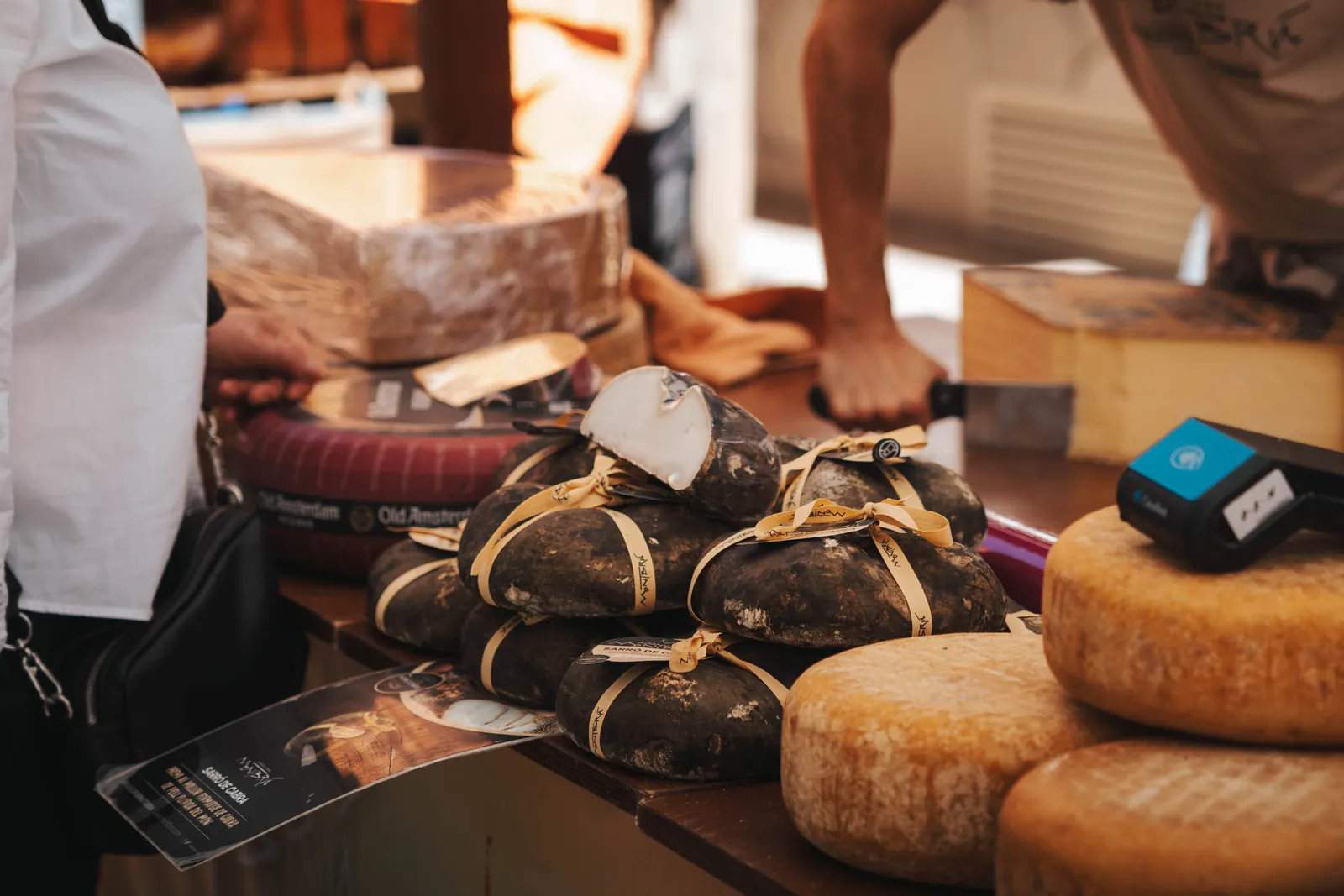
Artisan Pallars cheeses on display at the Fira Ramadera de La Pobleta de Bellveí
Mushrooms, seasonal products and local fairs
The calendar changes with the seasons.
Autumn brings mushrooms and the grape harvest; spring brings wild plants and herbs; and livestock fairs are a reminder of the importance lamb and other animals still have in the local economy and cuisine.
That seasonality means that returning to the Pallars at different times of year can also mean eating different things.
What to buy to take a little of the Pallars home
Not everything has to be eaten during the trip.
Some products are perfect for taking home.
- Girella: ask local butchers how best to store and prepare it.
- Xolís and secallona: two of the easiest cured meats to take away.
- Cheeses: especially tupí, but also goat’s, sheep’s and cow’s cheeses.
- Honey: with a wide variety depending on flowering and producer.
- Wine: from Pallars wineries and the DO Costers del Segre.
- Ratafía: including Ratafia dels Raiers from La Pobla de Segur.
- CTretze beer: brewed directly in La Pobla.
- Jams, sweets and artisan products: an easy way to discover small producers.
Buying directly from producers, butchers, cheesemakers and local shops does more than fill your pantry: it helps sustain an economy that continues to give meaning to the landscape you have come to discover.
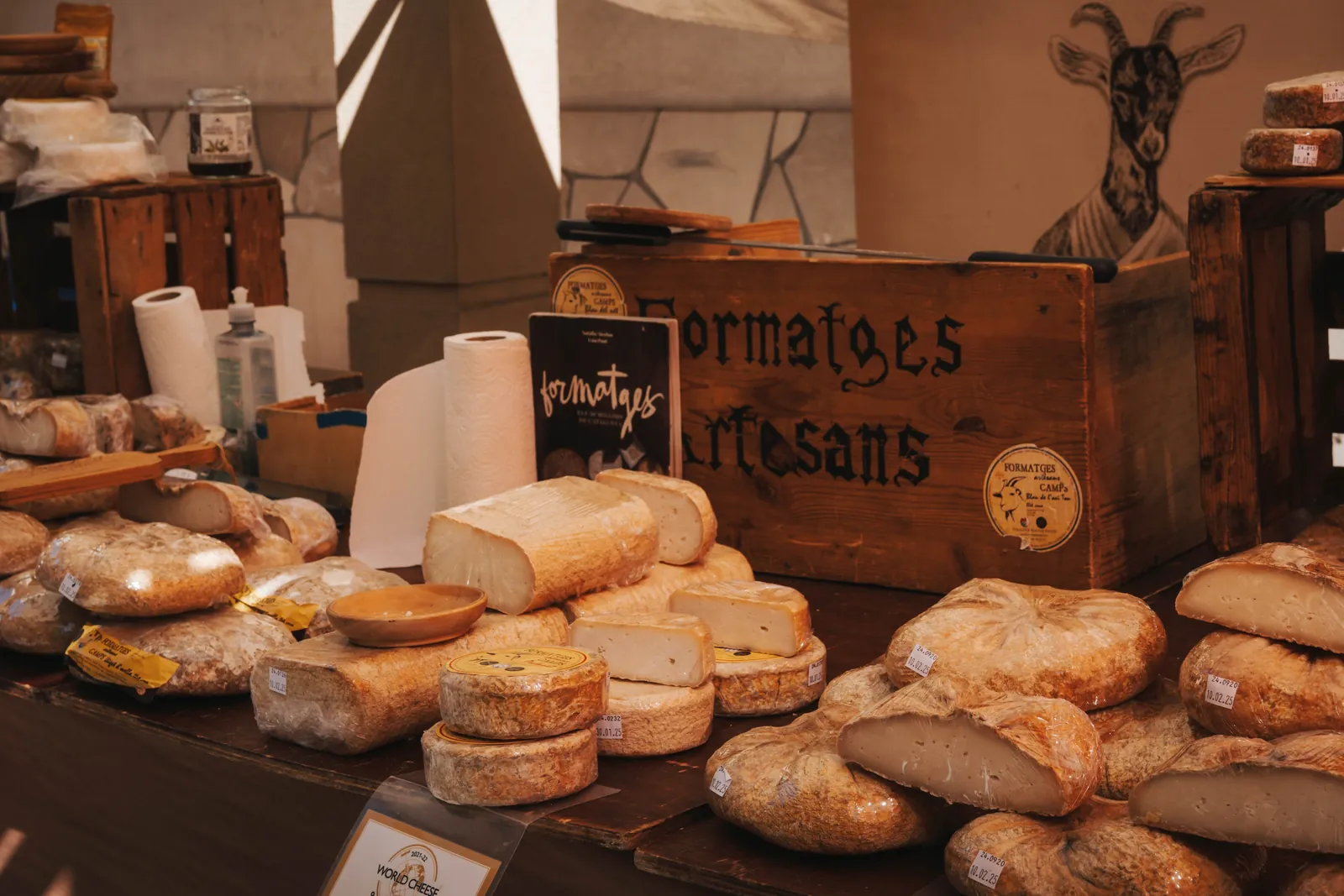
Selection of artisan Pallars cheeses at the Fira Ramadera de La Pobleta de Bellveí
From the mountains to the table: combining gastronomy and adventure
The Pallars works particularly well when you do not have to choose between nature and gastronomy.
You can do both on the same day.
After canyoning, a hearty meal will probably sound very appealing.
After a long hike, a table filled with seasonal produce makes even more sense.
After a via ferrata, you can finish with a craft beer at C13.
And if the aim of the day is simply to enjoy the territory without rushing, you can book a table at El Raier and make gastronomy the main activity.
The short distance between La Pobla de Segur, Collegats, Boumort, Vall Fosca and other areas of the Pallars makes it easy to organise several plans from the same base.
You can complete the trip with our guide to what to do in La Pobla de Segur, discover the Boumort Reserve or choose a more active experience.
First the mountains. Then the table.
Combine Pallars gastronomy with a day of canyoning, via ferrata, caving or hiking.
A cuisine that tells the story of the land
Girella, palpís, xolís, tupí and vianda were not created as products designed to surprise visitors.
They developed because there were sheep and pigs, because food had to be preserved, because winters were long and because home cooking needed to make the most of what the territory produced.
That history is still present.
Sometimes it appears almost unchanged in a butcher’s shop or a traditional recipe.
At other times it becomes a contemporary dish at El Raier, a burger made with local produce, a girella gyoza at C13 or a new beer inspired by the Pallars landscape.
That is exactly what makes its gastronomy so interesting.
It is not a cuisine frozen in the past: it is a tradition that continues to change without losing its connection to the land.
Frequently asked questions about what to eat in the Pallars
What is the most typical dish of the Pallars?
Girella is probably one of the most representative products. Vianda, palpís, cured meats, cheeses and different dishes made with lamb, pork and seasonal produce are also traditional.
What is girella?
It is a traditional Pallars preparation made mainly with lamb, rice and other ingredients. It has more than 500 years of tradition and reflects an old style of resourceful cooking closely linked to livestock farming.
Which cured meats are typical of the Pallars?
Among the best known are xolís and secallona, as well as paltruc, botifarres, gossets and other traditional preparations.
Which local cheese should I try?
Tupí is one of the most characteristic Pallars cheeses because of its strong flavour and traditional preparation. Brossat and artisan goat’s, sheep’s and cow’s cheeses are also worth trying.
What drinks are typical of the Pallars?
The area produces wines linked to the DO Costers del Segre, ratafías and other traditional liqueurs. Craft beer is also brewed in La Pobla de Segur by CTretze Pirineus.
Where can I eat local food in La Pobla de Segur?
There are very different options. El Raier offers a new seasonal Pallars cuisine; Miraltren combines Pallars produce with market cuisine; La Unió works well for tapas and an informal stop; Tatanka focuses on burgers and organic local produce; and CTretze combines craft beer, food and culture. You can find more options in our where to eat in La Pobla de Segur guide.
Where can I try craft beer in La Pobla de Segur?
CTretze Pirineus brews its own beer in La Pobla de Segur. In addition to the brewery, it has a restaurant and cultural space hosting concerts, exhibitions and other events.
Which Pallars products can I buy to take home?
Xolís, secallona, girella, cheeses, honey, jams, wines, ratafía, craft beer and sweets are among the easiest products to find and take home.