 ENG
 Español
 ENG
 CAT

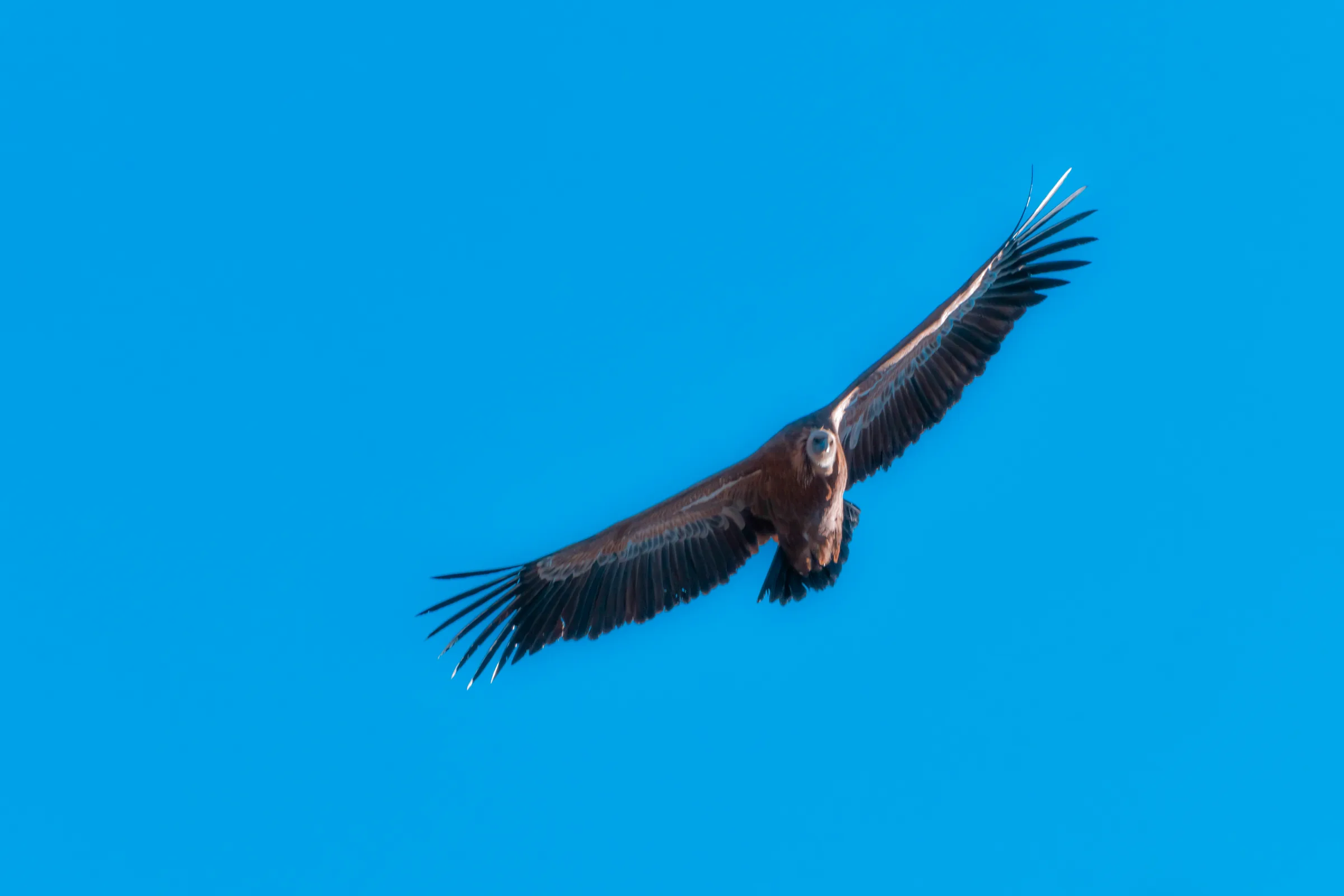
At a glance
- What makes Pallars special: it is home to four vulture species and important conservation projects.
- Where to start: Boumort, La Terreta and the specialist bird hides at Buseu.
- When to visit: vultures are present year-round; choose spring or summer if you also hope to see Egyptian Vultures.
- How to watch: from paths and viewpoints, or from hides with a booking and any required permits.
- The best experience: one that lets you enjoy the birds without disturbing their behaviour.
Why Pallars is an exceptional place for vultures
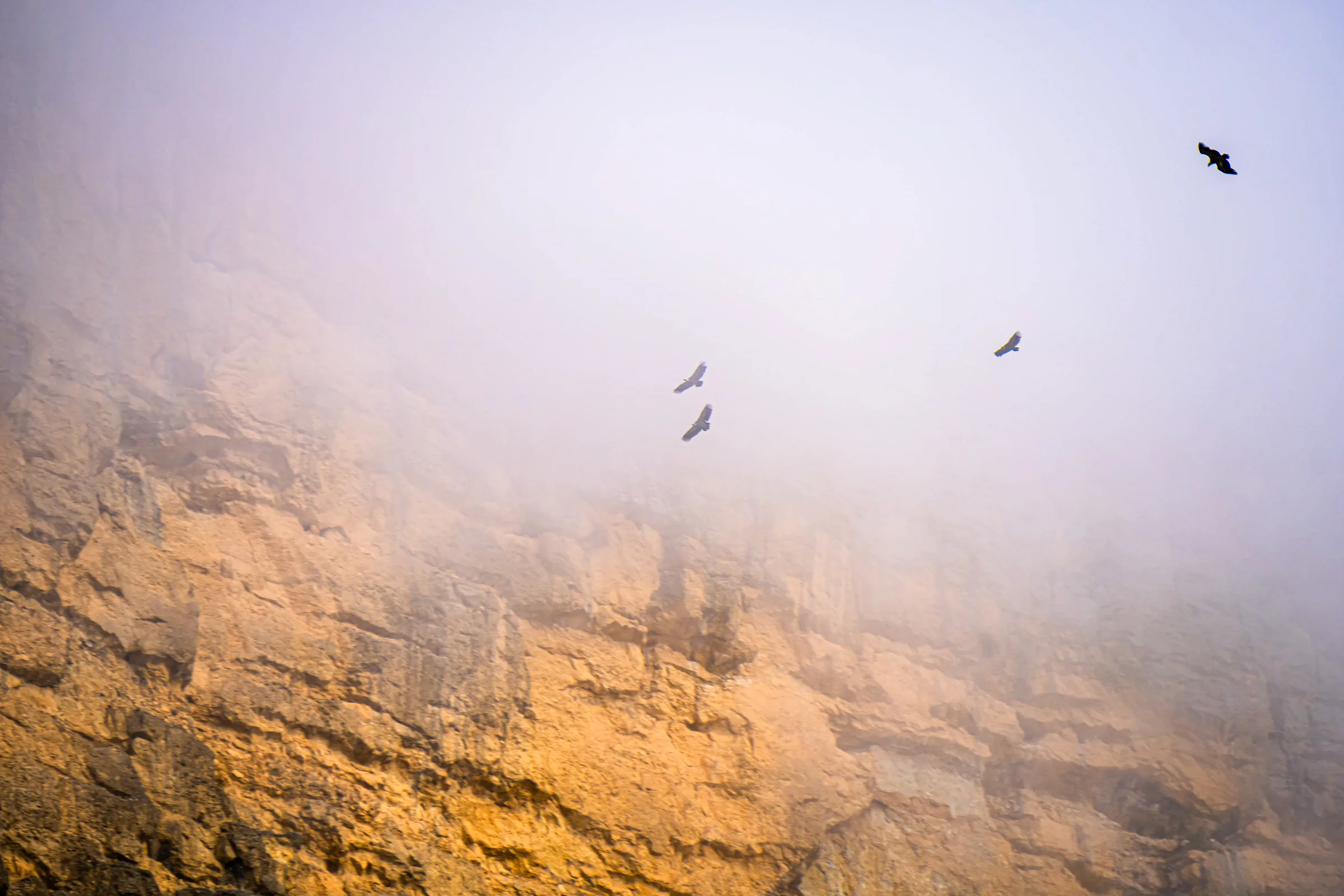
The landscape offers a valuable mix: cliffs for species that nest on rock, woodland with trees suitable for Cinereous Vultures to nest in, and open ground where birds can search for food. This is supported by the sustained work of land managers, conservation organisations and local communities.
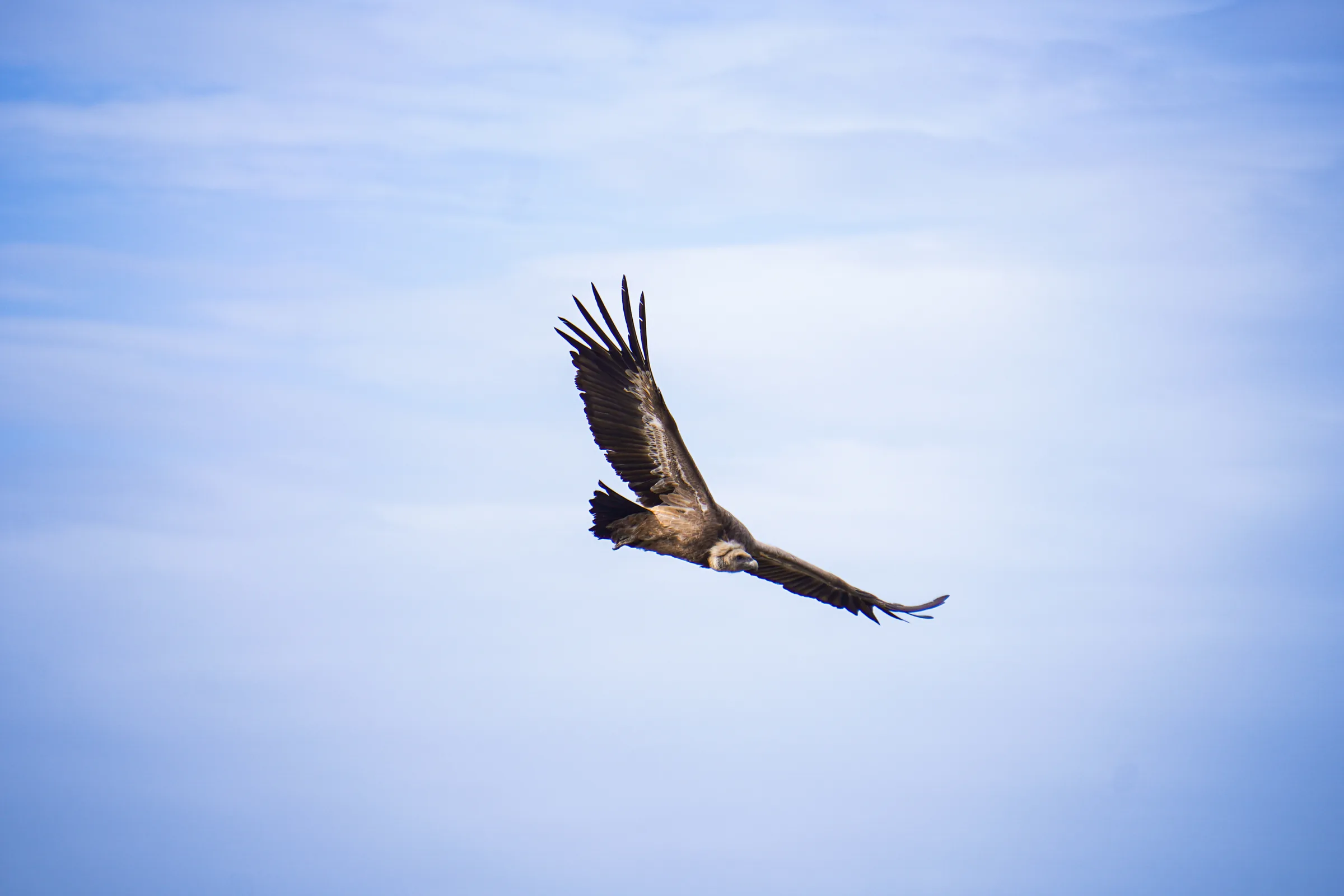
The Government of Catalonia highlights Boumort as a breeding area for all four European species. This means more than simply seeing them fly past: the birds find the conditions they need to complete a vital part of their life cycle here.
The Cinereous Vulture recovery project, launched in the Catalan Pre-Pyrenees in 2007, adds another dimension. The area helps link populations in the Iberian Peninsula and France. To learn more about the landscape, start with our guide to Boumort Reserve.
The four vultures: a short identification guide
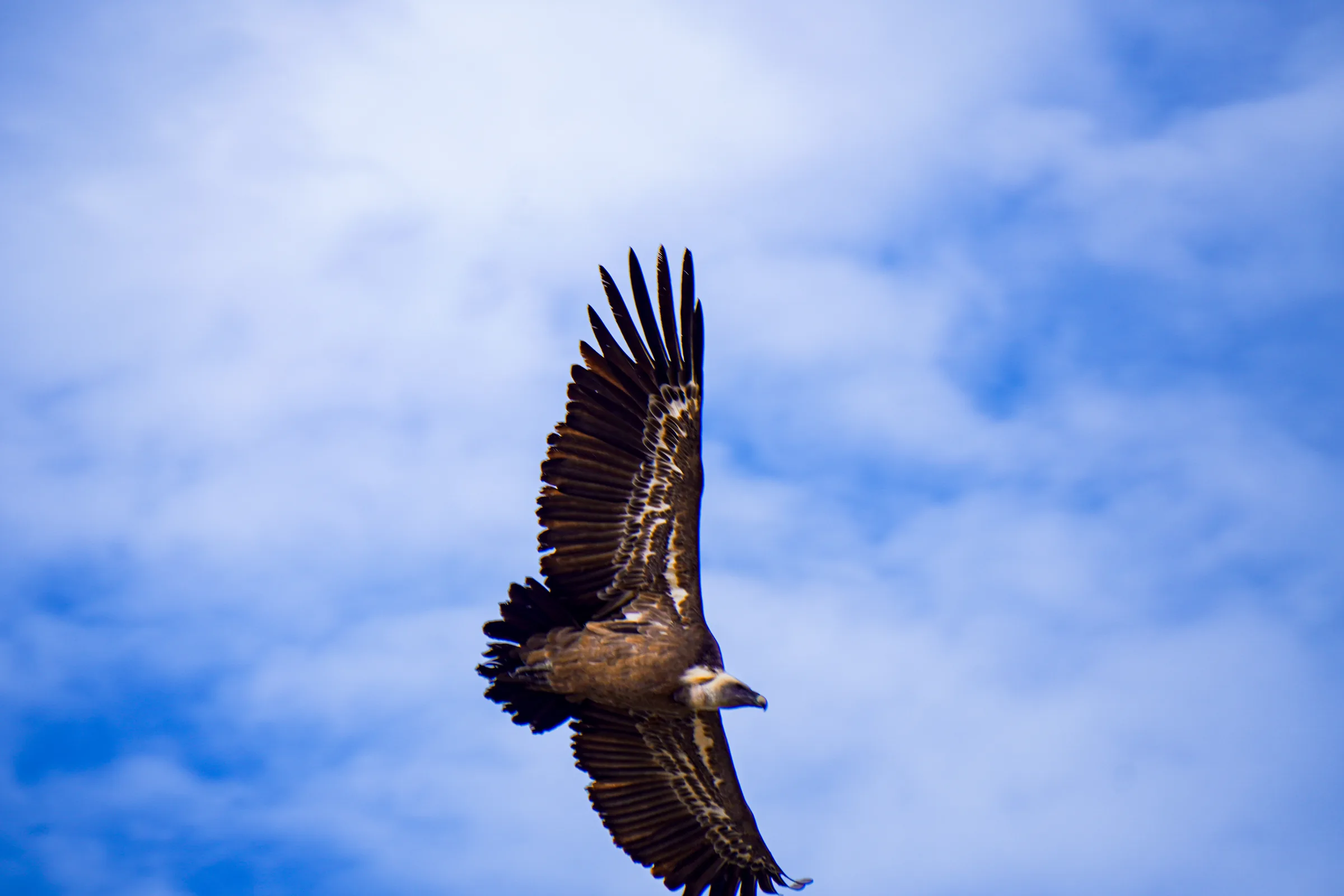
The local Catalan names are voltor comú, voltor negre, trencalòs and aufrany. These pointers will help you get started, although a bird’s age, the light and the distance can make identification more difficult.
| Species | An identification clue | A distinctive feature |
|---|---|---|
| Griffon Vulture Gyps fulvus | Broad wings, a short tail and a contrast between the brown body and dark flight feathers. | The most commonly seen species, often observed in groups. |
| Cinereous Vulture Aegypius monachus | A large, dark silhouette with very broad wings. | Unlike the other three species, it builds its nest in trees. |
| Bearded Vulture Gypaetus barbatus | A long, wedge-shaped tail and more slender wings; adults have a pale head and a small “beard”. | A specialist bone eater. |
| Egyptian Vulture Neophron percnopterus | Smaller in size; adults are pale with black flight feathers and a yellow face. | A summer visitor to our area; young birds are dark. |
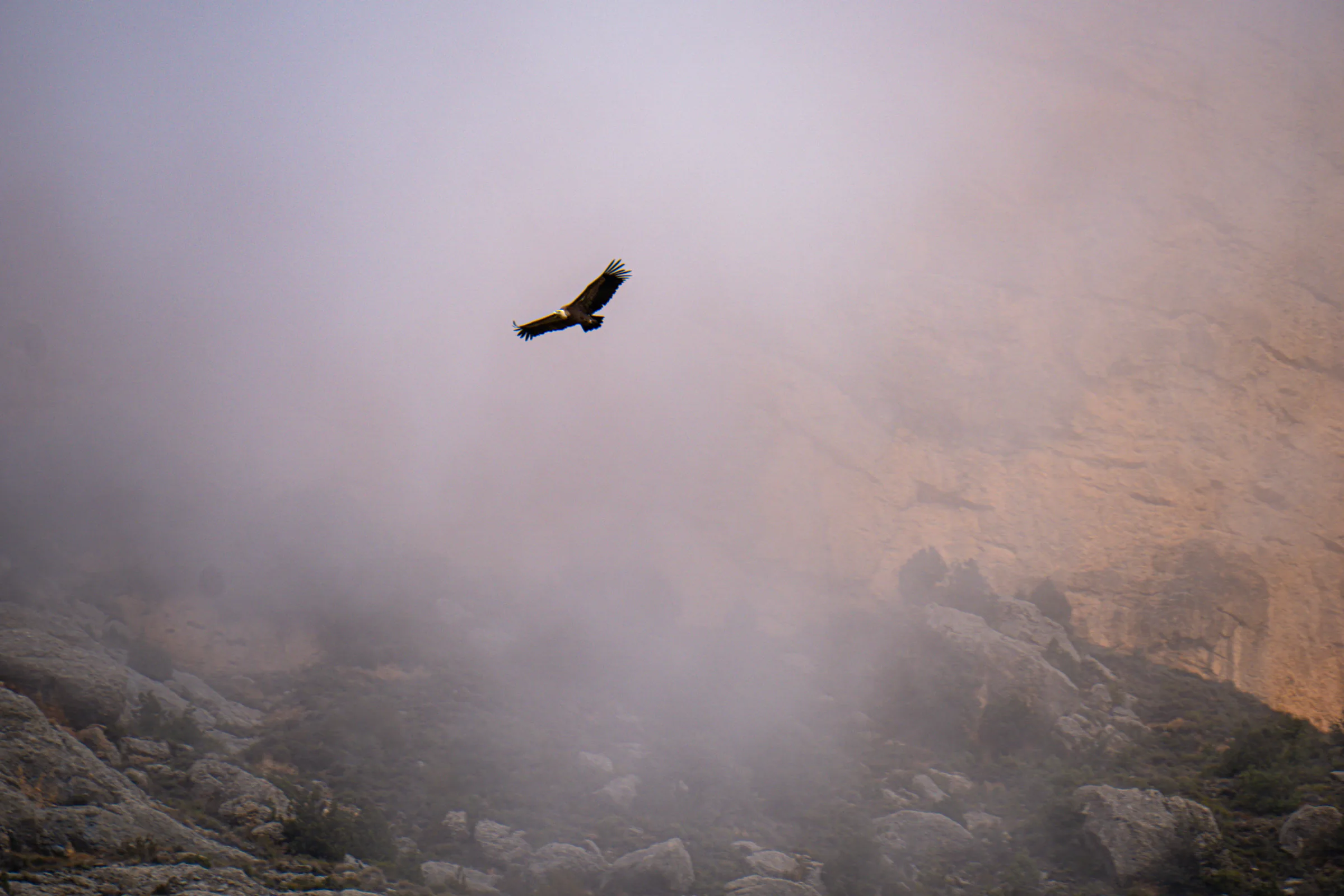
Bones, mud baths and seemingly effortless flight
The Bearded Vulture takes dietary specialisation to an extraordinary level. It can swallow bones and drops larger ones onto rocky ground to break them up. Its Spanish and Catalan names refer to this behaviour, although you may not be lucky enough to witness it on a visit.
Its colouring is another surprise. The orange tint of many adults comes from bathing in iron-rich water or mud, which stains the feathers. The Foundation for the Conservation of the Bearded Vulture explains this unusual habit.
When vultures circle above the valley, they are often using rising air currents to gain height and travel with little wing-flapping. Watching several circles at different heights reveals movements in the air that would otherwise remain invisible.
Their feeding also serves an ecological purpose: it removes animal remains and returns nutrients to the ecosystem. Different species make use of different parts of a carcass; Bearded Vultures can consume material that others leave behind.
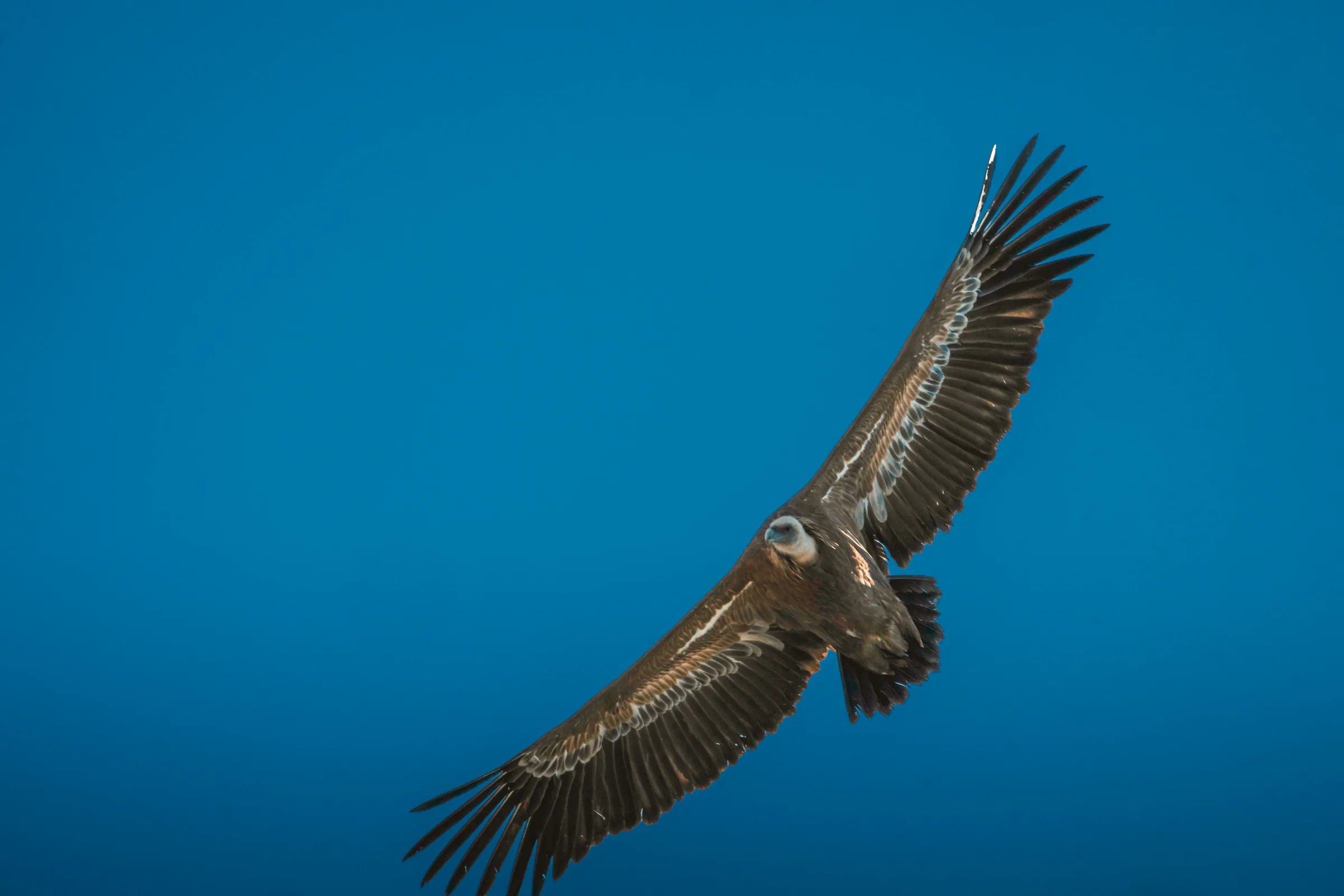
Where to watch vultures in Pallars
Boumort: open landscapes and bird hides
The reserve offers opportunities to look for birds in flight from authorised tracks and paths. Local birdwatching information highlights the Carreu valley and the area around Pessonada. To watch or photograph birds from the reserve’s hides, you need to arrange a visit and obtain the appropriate permit.
La Terreta: learning to look
The Casal dels Voltors, in La Torre de Tamúrcia, is an interpretation centre and a starting point for learning about scavenging birds. It offers birdwatching activities by reservation. Along the Vulture Valley Route, the Sapeira viewpoint overlooks the Turmeda cliff and its Griffon Vulture colony from a distance.
Buseu: wildlife photography in Pallars Sobirà
Buseu Project has specialist hides, including one dedicated to the Bearded Vulture. It is an option for visitors who want to book a photography session and spend several hours watching and waiting. Check the available options and dates directly with the organisers.
You may also see vultures soaring during a walk in the Montsec, but for a first outing focused on these birds, places offering interpretation and organised viewing provide more context.
How vultures are protected in our area
The recovery of the Cinereous Vulture combines releases, monitoring and access to safe food. The Trenca Foundation explains how supplementary feeding sites help establish the colony, while rings and transmitters allow researchers to track the birds’ movements. The Government of Catalonia, GREFA and local land management teams also contribute to this work.
Boumort’s feeding site has been operating for more than three decades. According to the information provided by its observatory, it has helped both Bearded Vulture recovery and Cinereous Vulture reintroduction.
Conservation work also continues beyond the reserve. In October 2026, the Government of Catalonia reported the presence of all four species in the Vessants de la Noguera Ribagorçana, where camera traps and nesting platforms are used. At that point, no breeding population of Cinereous Vultures had become established there: recording a species and confirming that it breeds are different things.
When to visit and how to watch responsibly
Griffon, Cinereous and Bearded Vultures can be seen in the area throughout the year, although every day is different. If you also hope to see Egyptian Vultures, Boumort’s tourism information particularly recommends April to August. No location guarantees all four species in a single visit.
Bring binoculars and a spotting scope if you have one. Air currents and weather strongly influence birds in flight; at a hide, follow the schedule set by the organiser. There is no single “best time” that applies to every kind of visit.
- Watch from permitted locations and keep away from nests and roosts.
- Do not leave food or try to attract the birds.
- Do not use drones to approach them, and avoid sharing sensitive locations.
- At a hide, follow the instructions on arrival, quiet behaviour and departure.

Discovering Pallars at a gentler pace
Birdwatching fits naturally into an unhurried stay. Our guide to La Pobla de Segur and our selection of abandoned villages in Catalonia offer ideas for other days. You can explore the history of Herba Savina, discover the different ways to enjoy the walk to Herba Savina or explore Espluga de Cuberes with a guide.
To combine different interests, there are options for canyoning, via ferrata and caving, as well as orienteering activities. Each has its own setting and requirements; on rock faces, respecting nesting restrictions is essential.
If you extend your trip northwards, you can set aside other days for Aigüestortes National Park or the 4×4 Smugglers’ Route and the village of Tor. In winter, snowshoeing trips offer a way to explore suitable snow-covered areas. These are activities for separate days, chosen to suit the season and travel distances.
Frequently asked questions
Can you see all four European vulture species in Pallars?
Yes, all four are present and breed in Boumort. Choose spring or summer if you also want to look for Egyptian Vultures. Seeing them all in one day depends on the conditions and the birds themselves.
Do you need to book to watch them?
For hides and organised activities, yes: check with the organiser. Watching from authorised public paths and viewpoints does not mean you can enter a hide or feeding site freely.
Is it a good activity for children?
Yes, especially with interpretation and sessions suited to their age. Before booking, ask about the duration, access and what the waiting time involves.
Can I bring food to attract vultures?
No. Feeding is part of specialist management. Watch from permitted locations and use organised services, always following the organisers’ instructions.